Multi-family charging networks represent a massive leap forward in residential infrastructure by delivering automated load balancing alongside smart energy management systems for modern apartment complexes and high-density residential housing developments looking to accommodate the rapid influx of electric vehicles across the nation…
Disclaimer: This post contains affiliate links. If you click through and make a purchase or submit a request for a quote, we may earn a small commission or referral fee at no extra cost to you.
Table of Contents
Deploying multi-family charging networks for Modern Properties
Property managers face increasing pressure to modernize their parking facilities as electric vehicle adoption rates climb among urban and suburban tenants alike.
Implementing multi-family charging networks allows property owners to attract premium residents while directly increasing the long-term equity value of their real estate assets.
The primary hurdle for traditional residential buildings centers on localized grid capacity and the high cost of utility supply upgrades.
Modern smart charging systems solve this bottleneck by utilizing localized cloud algorithms that dynamically distribute available amperage across multiple vehicles simultaneously.
This intelligent load balancing eliminates the immediate need for expensive transformer replacements by capping total electrical draw below the property peak threshold.
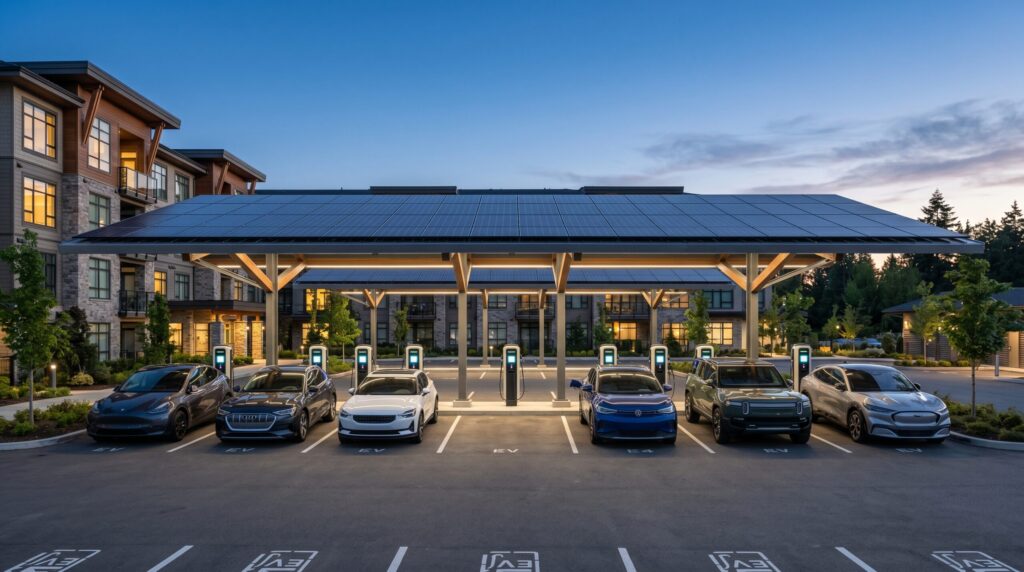
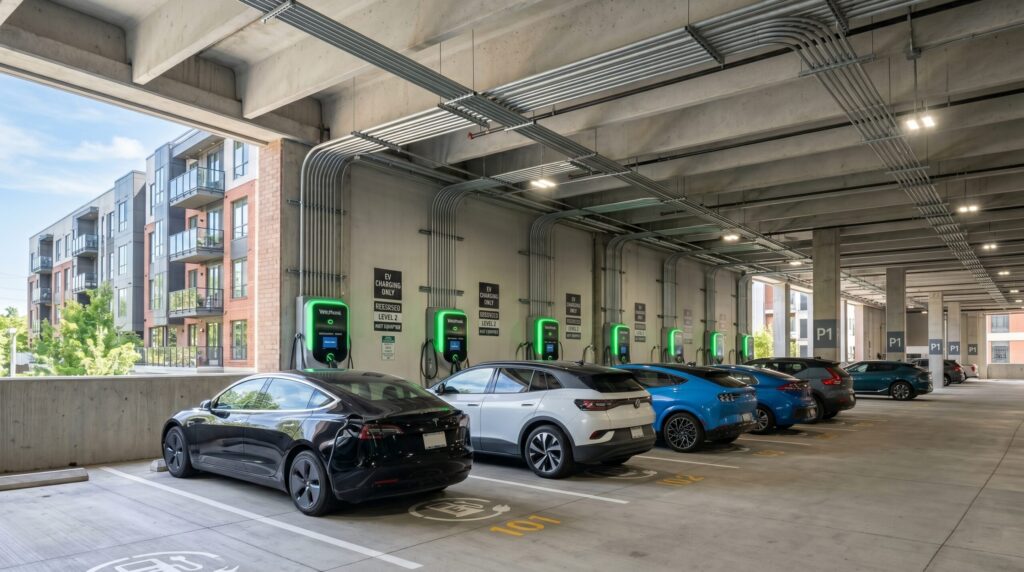
Property owners can seamlessly install these systems within existing parking structures by mounting ruggedized dual-port pedestals along central structural columns.
Using a centralized software dashboard allows leasing offices to set automated pricing tiers based on peak utility time-of-use rates.
Tenants benefit from a transparent smartphone application interface that tracks their energy consumption and schedules charging sessions during low-cost overnight windows.
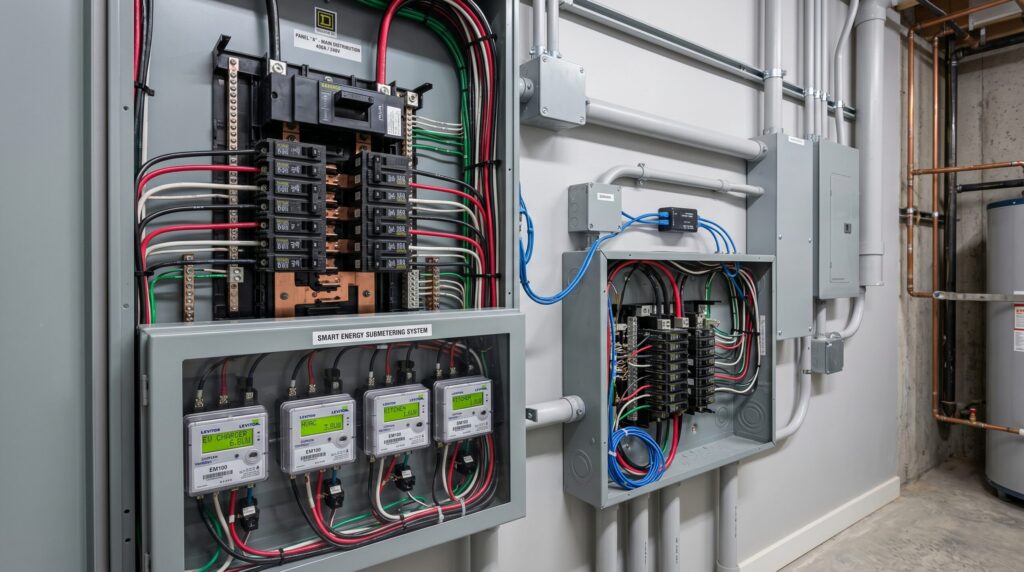
The hardware deployment process requires careful routing of high-amperage feeders from the main distribution board to localized sub-panels.
Electrical contractors utilize heavy-walled galvanized steel conduits to protect sub-surface wiring runs from accidental physical impacts in high-traffic zones.
Integrating dedicated revenue-grade meters ensures that every kilowatt-hour delivered to a resident vehicle is tracked with pinpoint financial accuracy.
This granular data logging allows property accounting teams to automate tenant billing cycles without manual meter reading overhead.
Furthermore, deploying advanced smart stations minimizes localized grid strain while preparing the property for future vehicle-to-grid integration capabilities.
Upgrading your residential electrical infrastructure to include multi-family charging networks requires selecting durable hardware that stands up to continuous daily usage from dozens of rotating tenants.
Outdoor parking lots present unique engineering challenges due to ambient moisture, extreme temperature fluctuations, and potential physical vandalism.
Specifying commercial-grade station enclosures featuring high NEMA ratings ensures that the internal delicate power electronics remain completely sealed against dust and driving rain.
Advanced software integrations enable automatic over-the-air firmware updates to keep the entire network synchronized with evolving communication protocols.
Property maintenance teams can monitor station health indicators remotely, reducing the need for costly on-site diagnostic visits by third-party technicians.
Preventative maintenance schedules should include semi-annual physical inspections of charging cable assemblies to identify early signs of rubber jacket wear or connector degradation.
Replacing worn charging couplers before total mechanical failure prevents operational downtime and maintains a high level of tenant satisfaction.
Choosing open-architecture hardware based on open charge point protocols prevents property owners from becoming locked into a single software vendor over time.
This flexibility allows asset managers to swap network providers seamlessly if service level agreements are not met or if better software features emerge in the marketplace.
Technical Specifications and Envelope Integrity
- Wind-Velocity Ratings: Exterior pedestal mounts are engineered to withstand severe localized wind forces up to 2,400 Pascals when anchored directly into reinforced concrete footings.
- Structural Standards: Fully compliant with National Electrical Code Article 625, SAE J1772 compliance benchmarks, and UL 2594 safety certifications for electric vehicle supply equipment.
- Envelope Core Components: Precision engineering utilizing weather-hardened stainless steel enclosures, integrated surge protection devices, and structural insulated panels (SIPs) to construct thermal barriers for outdoor utility distribution centers.
Building a dedicated exterior utility enclosure using structural insulated panels provides an ideal climate-controlled environment for master network switches and sub-panels.
These insulated structures shield delicate communication gateways from extreme summer heat, preventing thermal throttling and maintaining continuous network uptime.
💡 Pro Tip: When planning a multi-port layout, always size the initial underground trenching and conduit runs for double the initial station count to avoid tearing up asphalt during future expansion phases.
Cost-Benefit Analysis: Upfront CapEx vs long-term risk mitigation
Evaluating a comprehensive property upgrade to include multi-family charging networks requires a balanced look at immediate capital allocation versus multi-decade financial stability.
Real estate investment trusts must weigh the upfront capital expenditure of network hardware against the operational risks of failing to provide essential modern amenities.
Failing to install adequate charging facilities can cause a steady decline in tenant retention rates as competitive properties deploy modern charging options.
Implementing smart energy management infrastructure provides excellent long-term risk mitigation against rising utility demand charges and localized grid penalties.
By utilizing peak-shaving algorithms, the property can throttle charging speeds automatically when the main building envelope experiences high cooling loads.
This protective measure prevents the property from crossing into higher utility tariff brackets, saving thousands of dollars in annual building operational costs.
Initial procurement expenses can be offset substantially by leveraging federal tax incentives, municipal grant programs, and regional utility rebate packages.
Many regional utility operators offer direct financial assistance covering up to 80 percent of the structural make-ready infrastructure installation costs.
These programs are designed to accelerate the deployment of intelligent destination chargers without overburdening localized distribution networks.
Once operational, the charging network generates a predictable secondary revenue stream through structured parking fees and premium charging markups.
Asset managers can structure charging access as a premium amenity tier within luxury lease agreements to command higher monthly rental premiums.
Clean, well-lit charging bays also enhance general property aesthetics, signaling a forward-thinking corporate commitment to sustainable real estate development.
A secure domestic supply chain for replacement parts ensures that property owners can minimize system downtime during unexpected hardware failures.
Partnering with domestic equipment fabricators guarantees rapid delivery of replacement cables, holster assemblies, and localized internal circuit boards.
Minimizing maintenance delays keeps the charging network highly dependable, preserving resident trust and maintaining consistent monthly cash flow.
Financial Comparison Matrix
- Upfront Capital Expenditure (CapEx): Higher initial costs for commercial-grade dual-port stations, comprehensive make-ready conduit trenching, and dedicated sub-metering panel installations.
- Long-Term Risk Mitigation: Substantial protection against tenant churn, elimination of utility demand charge penalties via smart load shedding, and increased overall real estate asset appraisal value.
Investing in robust electrical upgrades protects the underlying property investment from becoming obsolete as transportation trends shift entirely away from fossil fuels.
Using durable copper busbars and high-grade circuit breakers prevents premature system wear and minimizes long-term structural maintenance liabilities.
Over an extended operational lifecycle, the financial returns from enhanced tenant loyalty and steady charging fees far outweigh the initial capital outlay.
Conclusion
Integrating intelligent multi family charging networks allows modern property developers to secure a distinct competitive advantage while boosting asset valuations.
Upgrading your underlying residential electrical infrastructure ensures that high-density residential properties remain fully capable of supporting the next generation of electrified transit.
By combining precision-engineered load balancing hardware with durable exterior enclosures, property managers can deliver highly reliable charging solutions to their residents.
Proactively addressing this growing tenant demand shields real estate portfolios from future obsolescence and volatile municipal compliance shifts.
Ultimately, deploying advanced charging infrastructure positions commercial property owners to maximize long-term asset yield and establish steady operational returns for decades to come.