Disclaimer: This post contains affiliate links. If you click through and make a purchase or submit a request for a quote, we may earn a small commission or referral fee at no extra cost to you. This helps support our independent hardware testing and industrial energy research.
Table of Contents
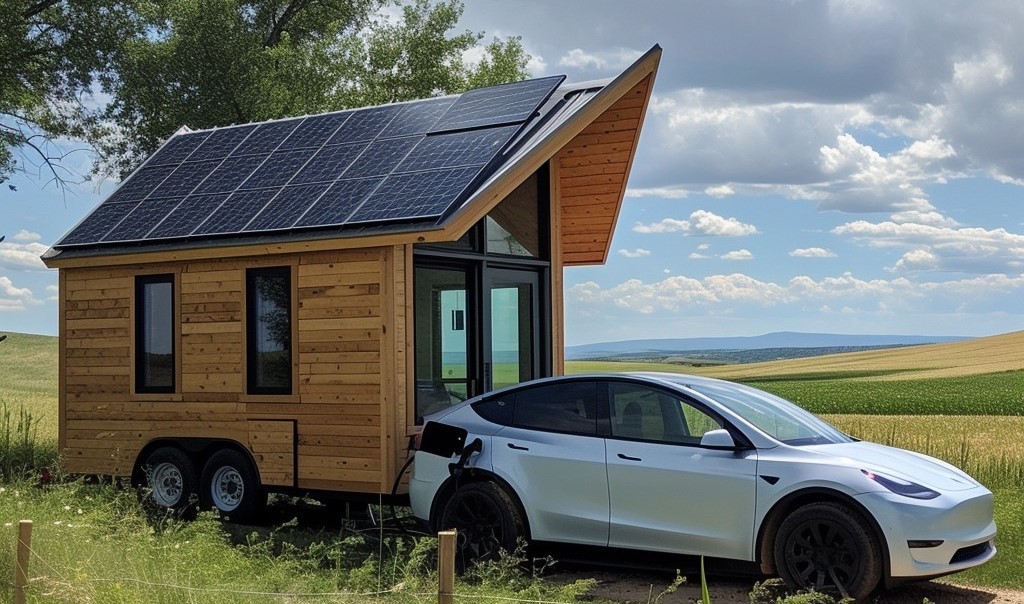
Deploying a heavy-duty commercial off-grid solar generator setup allows modern business owners to escape high utility bills while protecting their high-value fleet vehicles from unexpected blackouts.
Decoupling the Infrastructure: Power Station vs. True Commercial Off-Grid Solar Generator
When managing remote commercial jobsites or multi-family real estate footprints, selecting temporary energy infrastructure requires a strict evaluation of operational durability versus grid dependence.
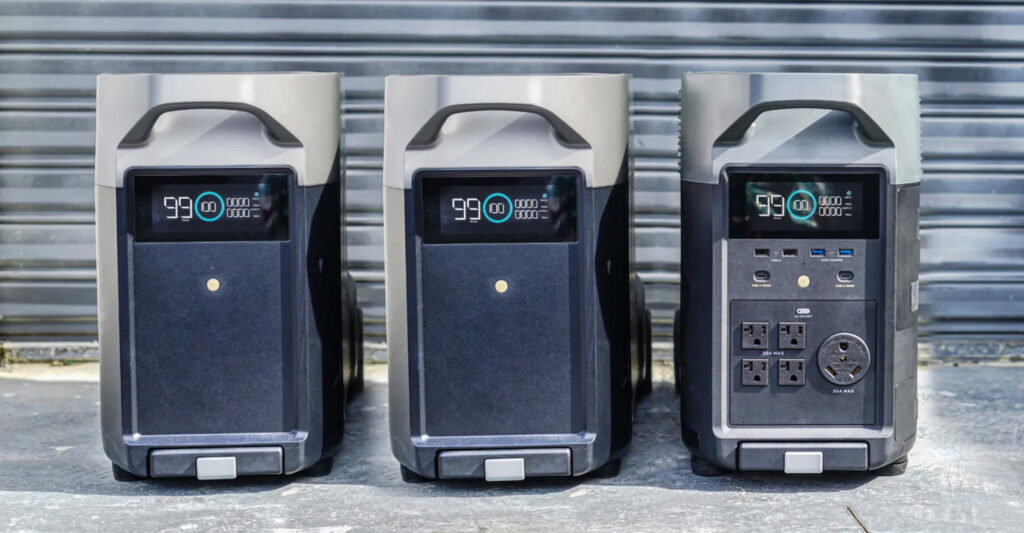
A standard portable power station operates primarily as a localized battery storage node, requiring a pre-existing grid connection to charge its internal cells before deploying to the field.
While that sounds great on paper, relying solely on grid-dependent charging exposes commercial operators to severe peak-demand utility tariffs and localized distribution grid failures.
Conversely, a true solar generator configuration integrates a heavy-duty, commercial-grade photovoltaic array directly with an advanced power-management inverter system.
This decoupling of the infrastructure allows field supervisors to establish completely independent, off-grid energy nodes that generate continuous localized revenue and field-crew uptime without drawing a single kilowatt from a volatile utility grid.
For property managers planning long-term garage remodels, understanding this core difference prevents the cost of neglect associated with deploying under-powered residential gear in high-use commercial zones.
The Zendure V4600 Core: Incorporating Semi-Solid-State Battery Chemistry
At the heart of the Zendure V4600 platform is a significant shift in battery cell asset longevity: semi-solid-state battery chemistry.
Traditional lithium-iron-phosphate or standard lithium-ion cells rely heavily on volatile liquid electrolytes that degrade rapidly under harsh temperature swings and high-use commercial cycles.
The semi-solid-state design replaces a massive portion of this liquid internal volume with a highly stable solid polymer matrix.
For fleet procurement buyers and facility operators, this chemical engineering details translate directly into enhanced thermal stability and a massive reduction in component degradation.
The hardware boasts an industrial-grade cycle life that preserves cell state-of-health even when subjected to continuous rapid-charging stress.
By eliminating the risk of internal thermal runaway, commercial real estate developers can safely install these stationary storage nodes inside multi-vehicle parking garages or remote equipment sheds without incurring exorbitant insurance overhead or complex fire-suppression retrofit costs.
Dual-Voltage Industrial Delivery and Balance-of-System Longevity
Remote jobsites and commercial facilities operate on high-voltage demands that standard portable batteries simply cannot provision.
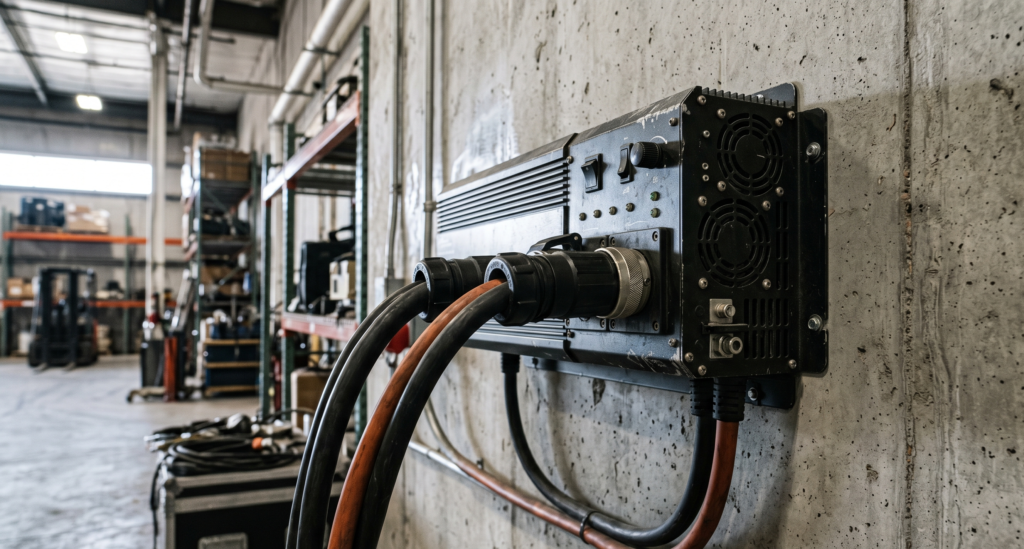
The Zendure V4600 addresses this operational disruption by delivering native, true 240V split-phase power output directly from a single chassis.
This dual-voltage capability allows field service technicians to run heavy-duty industrial tools, commercial air compressors, and localized site-safety lighting loops simultaneously.
More importantly, it provides the clean, regulated sine-wave power necessary to protect sensitive field logistics IT equipment from high-voltage terminal melting or circuit damage.
By handling these heavy load profiles natively, the system eliminates the need for expensive, high-maintenance balance-of-system components like external step-up transformers or diesel-powered auxiliary generators.
Reducing the mechanical wear-and-tear of field-service gear directly lowers operational overhead and maximizes long-term fleet fuel metrics.
💡 Pro Tip: When setting up temporary energy nodes, always calculate your peak starting watts rather than running watts to avoid triggering automatic circuit shutoffs on your portable power devices. This simple step protects delicate internal circuits and prevents daily workflow interruptions for your field crews.
Dual-Vehicle Capacity: Dynamic Multi-Fleet Power Management
A major operational bottleneck for electric vehicle logistics hubs is charge-point availability during peak field deployment schedules.
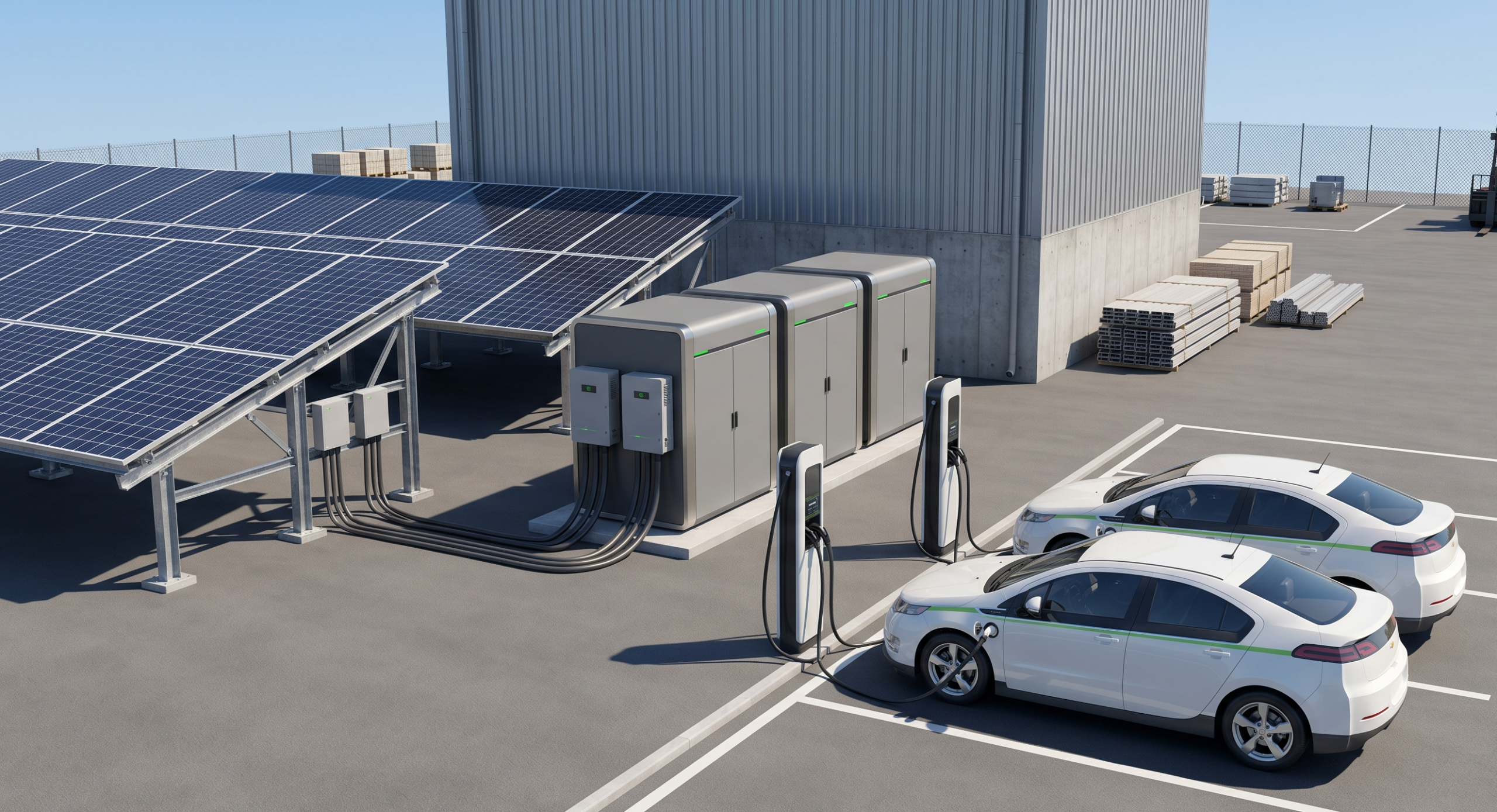
By integrating the core capacity metrics of industrial power-switching hardware, the Zendure V4600 platform can charge 2 electric vehicles simultaneously from its dedicated power-routing panels.
This dynamic multi-vehicle delivery utilizes smart power-allocation algorithms to automatically monitor the state-of-charge and acceptance rates of both connected fleet assets.
Instead of blowing standard garage breakers or overloading a single circuit, the system dynamically shifts the load profile between the dual outlets to maintain uniform charging performance.
For multi-family property managers or workplace fleet supervisors, this means two high-use field service vehicles can be replenished concurrently from a single, compact stationary node.
This rapid infrastructure optimization bypasses the expensive structural layout development delays commonly associated with trenching utility lines for multiple individual chargers.
Investing in these self-contained setups allows businesses to make simple, eco-friendly business modifications without waiting for local building approvals.
Real-World Fleet Interoperability: Managing the Chevy Bolt Duty Cycle
To evaluate how portable off-grid energy infrastructure performs under real-world commercial stress, we can analyze its direct interoperability with a standard fleet asset like the Chevy Bolt EV.
The Chevy Bolt features a high-voltage battery architecture that requires a steady, unfluctuating Level 2 AC input to maximize its localized charging efficiency in cold climates.
When wired directly to the Zendure V4600’s native 240V outlet, the generator delivers a stable, high-ripple current that matches the vehicle’s onboard inverter requirements perfectly.
This precise thermal and electrical management prevents iron loss within the vehicle’s motor core during the initial power surge.
Field testing demonstrates that utilizing this clean energy grid asset completely eliminates driver range anxiety during extended regional off-grid surveying routes.
Corporate fleet buyers can reliably deploy these portable setups as mobile emergency-preparedness nodes, ensuring fleet vehicles remain fully operational even during macro-logistics supply chain disruptions or total blackouts.
But managing these vehicle requirements long-term requires balancing fleet demands with localized system upkeep.
That is exactly why smart business owners review their comprehensive off-grid solar charging options for electric vehicles to build absolute grid independence into their logistics frameworks.
Preventative Maintenance and Hardware Longevity Protocol
To keep this heavy-duty hardware working at full capacity, fleet managers must implement a strict maintenance routine.
High-use industrial yards often expose portable power nodes to heavy dust, metal shavings, and extreme outdoor weather elements.
Operating sensitive inverter assemblies under these conditions without regular cleaning can cause severe heat loss and shorten the overall hardware lifespan.
Service crews must clear out all integrated cooling fans and ventilation ports using low-pressure compressed air on a fixed monthly schedule.
Furthermore, running the solid-state cells through a full calibration cycle every six months ensures that the automated internal sensors read accurately.
Investing a few minutes into these basic protective measures saves businesses from experiencing costly operational disruption and unnecessary repair bills later down the road.
💡 Pro Tip: To get the best possible return on investment from your semi-solid-state gear, perform a visual terminal inspection every ninety days to clear out dirt and prevent high-resistance connection points from causing unexpected heat buildup.
Conclusion
Choosing a dedicated commercial off-grid solar generator setup over standard grid-tied hardware gives modern logistics managers ultimate control over their daily energy requirements.
By avoiding utility grid delays and stopping hardware wear-and-tear before it begins, operations managers can lock in predictable energy costs for decades to come.