Level 2 EV charger electrical requirements determine whether your home garage can handle fast, reliable overnight charging safely.
Plugging in an electric car should feel as simple and effortless as plugging in your smartphone before bed.
Understanding your home electrical capacity will save you thousands of dollars while protecting your daily driving routine.
Disclaimer: This post may contain affiliate links. If you click through any of the links in the article and make a purchase or submit a request for an installer quote, we may earn a small commission or referral fee at no extra cost to you.
Table of Contents
Level 2 EV Charger Electrical Requirements For Safe Home Charging
Meeting the core Level 2 EV charger electrical requirements starts with supplying a dedicated 240V split-phase AC circuit.
Unlike public fast chargers that feed direct current into battery packs, home chargers deliver alternating current directly to your vehicle onboard inverter.
Your electric car converts that incoming energy into direct current electricity to charge the battery cells smoothly overnight.
Most suburban residential electrical service panels deliver either 100 amps or 200 amps of total electrical capacity.
A standard 48-amp hardwired wall unit pulls significant power across several continuous hours of uninterrupted evening charging.
The National Electrical Code defines electric vehicle charging as a continuous electrical load subject to strict safety de-rating.
That means your circuit breaker must handle 125% of the continuous charging current pulled by your vehicle.
If you plan to charge at 40 amps continuously, you must install a dedicated 50-amp double-pole breaker.
Similarly, pulling the maximum 48 amps supported by premium residential chargers requires a dedicated 60-amp circuit breaker.
Skimping on circuit sizing can cause nuisance breaker trips, hot wiring conduits, or premature equipment wear.
Level 2 EV charger electrical requirements guarantee that your household appliances and vehicle charge peacefully side by side without blowing main fuses.
Older homes with 100-amp panels often run short on physical breaker slots or total amperage during evening cooking hours.
Smart energy management devices solve this headache without forcing an expensive main service panel upgrade.
Smart load-balancing systems pause vehicle charging momentarily whenever central air conditioning compressors or electric clothes dryers fire up.
Once household demand drops, the system seamlessly ramps charging speeds back to full power while you sleep.
💡 Buyer’s Toolkit:
Always match your breaker to the 80% continuous load rule. For a 32-amp charger, install a 40-amp breaker; for a 40-amp charger,
install a 50-amp breaker; for 48-amp hardwiring, install a dedicated 60-amp circuit using heavy-duty 6 AWG copper wire.
Choosing between a plug-in NEMA 14-50 outlet and a hardwired setup is your next major electrical decision.
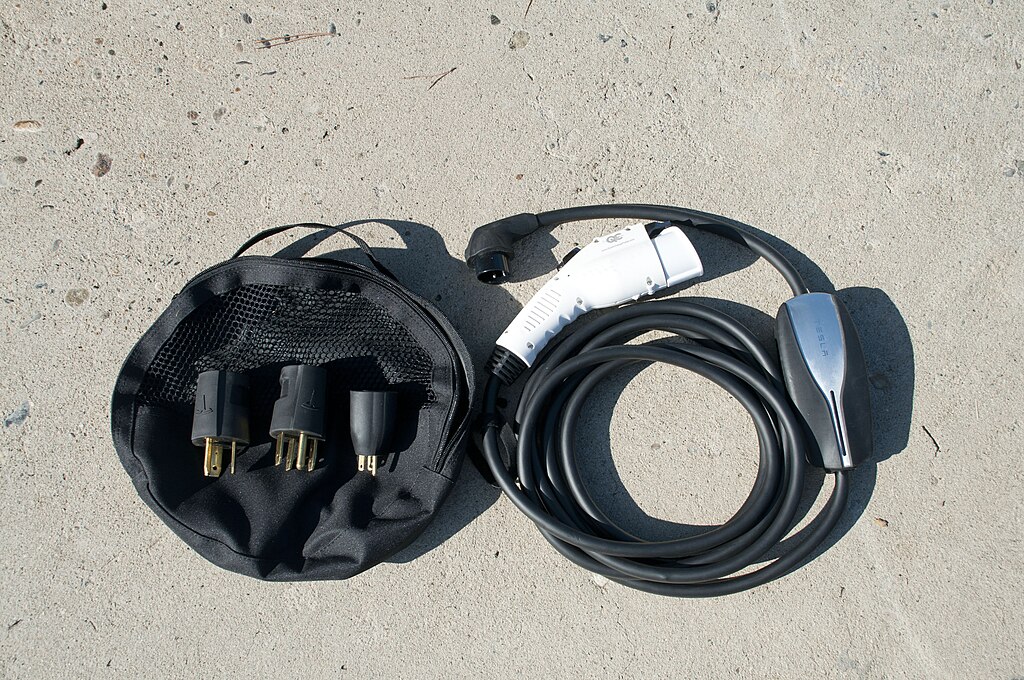
A heavy-duty 240V outlet allows portable charging cords to unplug easily for weekend road trips or camping excursions.
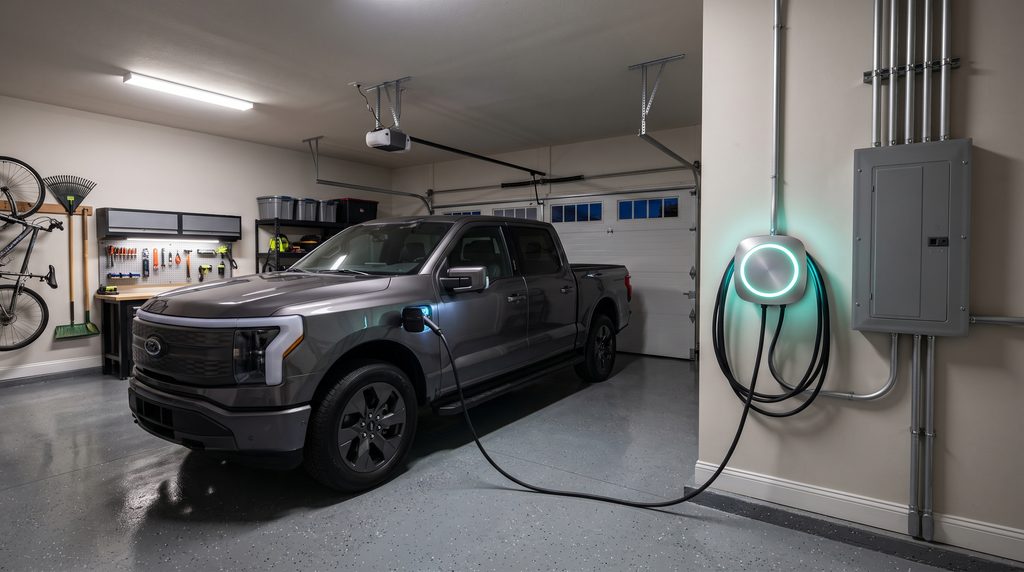
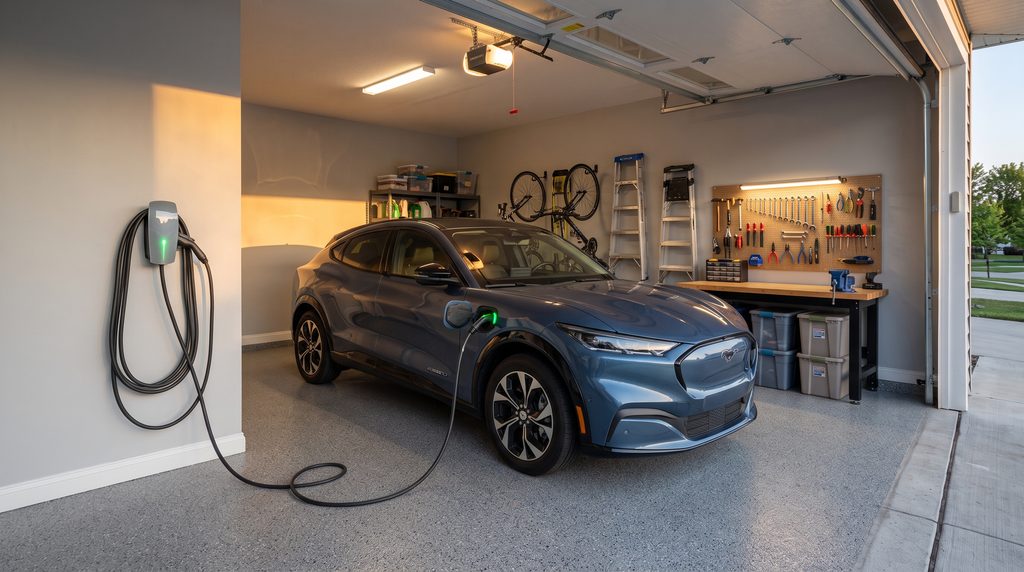
Hardwired wall chargers eliminate mechanical plug connections and safely unlock faster charging rates up to 48 continuous amps.
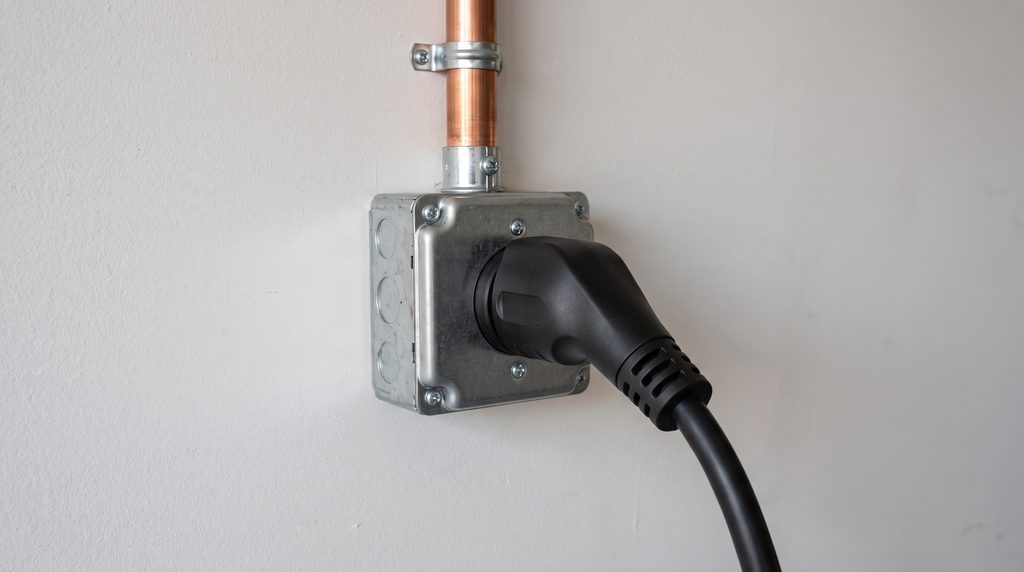
Investing in a rugged wall connector ensures reliable all-weather performance even in freezing winter garage conditions.
High-quality wall units carry UL 2594 safety certification and heavy-duty NEMA 4 or IP65 weatherproofing enclosures.
Quality construction prevents internal condensation buildup, moisture intrusion, and accidental electrical grounding faults during seasonal humidity swings.
Everyday EV drivers add between 25 and 45 miles of driving range per hour of charging.
Understanding Dedicated Amperage, Wire Gauges, And Panel Capacity
Dialing in your Level 2 EV charger electrical requirements means pairing the right wire gauge with your breaker size.
Copper wiring remains the gold standard for residential EV installations due to its superior heat tolerance and longevity.
Running 6 AWG copper wire ensures that a 48-amp continuous draw flows smoothly without excess resistance or dangerous thermal buildup.
Lighter 8 AWG copper conductors suit 32-amp charging stations running on standard 40-amp double-pole circuit breakers.
Never cut corners by attempting to tap into an existing shared garage outlet circuit or general-purpose utility branch.
National residential electrical codes mandate a strictly dedicated branch circuit reserved exclusively for electric vehicle charging hardware.
Renting drivers or condo tenants can request portable 16-amp or 24-amp charging units operating on smaller dedicated circuits.
These compact setups deliver around 12 to 18 miles of range per hour, easily covering typical daily commutes.
Pairing your charging schedule with time-of-use utility rates allows you to capture the lowest off-peak residential electricity costs.
Modern smart chargers let you set automatic delayed charging windows directly through companion mobile smartphone apps.
Your car sits plugged in all evening, drawing cheap off-peak power only after midnight when grid demand plummets.
⚡ Deal & Installer Alert:
Ready to install your Level 2 home charger? Get matched with certified, insured residential electricians in your zip code
for a free installation estimate, and check seasonal utility rebates that slash upfront hardware costs by up to $500.
Pairing Residential Solar Panels With Home EV Charging Hardware
Satisfying your Level 2 EV charger electrical requirements with clean rooftop solar energy unlocks the lowest driving costs imaginable.
Residential rooftop solar arrays produce clean direct current electricity that home inverters convert into household alternating current.
Instead of paying the utility 18 cents to 30 cents per kilowatt-hour, you charge your car on pure sunshine.
A standard 8-kilowatt home solar system easily generates enough surplus daily power to cover thirty miles of daily driving.
Renters and apartment dwellers can deploy portable solar kits paired with high-capacity lithium iron phosphate portable power stations.
These portable power stations feed clean energy into your vehicle charging cable while safeguarding household circuits from high peak rates.
Balcony solar kits equipped with high-efficiency TOPCon solar cells offer tenants a non-permanent way to capture daylight kilowatt-hours.
Every clean kilowatt-hour fed into your electric car reduces grid reliance and insulates your household from rising utility bills.
Vehicle battery health also benefits significantly from consistent, moderate Level 2 charging rates compared to scorching public fast chargers.
Gentle alternating current charging maintains stable internal cell temperatures, preserving lithium battery chemistry and preventing rapid capacity degradation.
Smart home energy panels like Span or Emporia bring real-time circuit control directly to your fingertips.
These modern electrical panels track energy consumption in real time and automatically optimize power flows across your entire home.
Taking control of your home charging hardware turns your garage into a convenient, private personal refueling station.
Conclusion
Understanding the unique electrical requirements for level 2 and dc fast charging stations is essential for safeguarding long-term commercial investments.
Mastering your Level 2 EV charger electrical requirements gives you total charging confidence and freedom from expensive public stations.
Always hire a certified residential electrician to inspect panel capacity and install properly sized copper wiring and dedicated breakers.
Pairing home charging with residential rooftop solar arrays or portable solar panels significantly slashes your monthly utility expenses.
Sticking to consistent overnight home charging safeguards long-term battery health while maximizing manufacturer battery warranty coverage.
Waking up every single morning with a full battery completely transforms your daily driving experience for good.