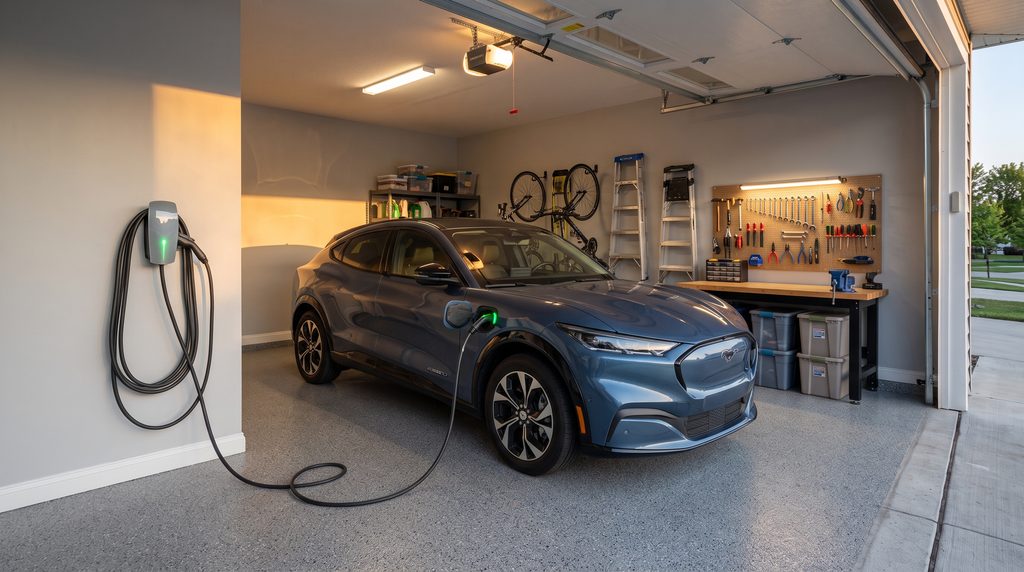
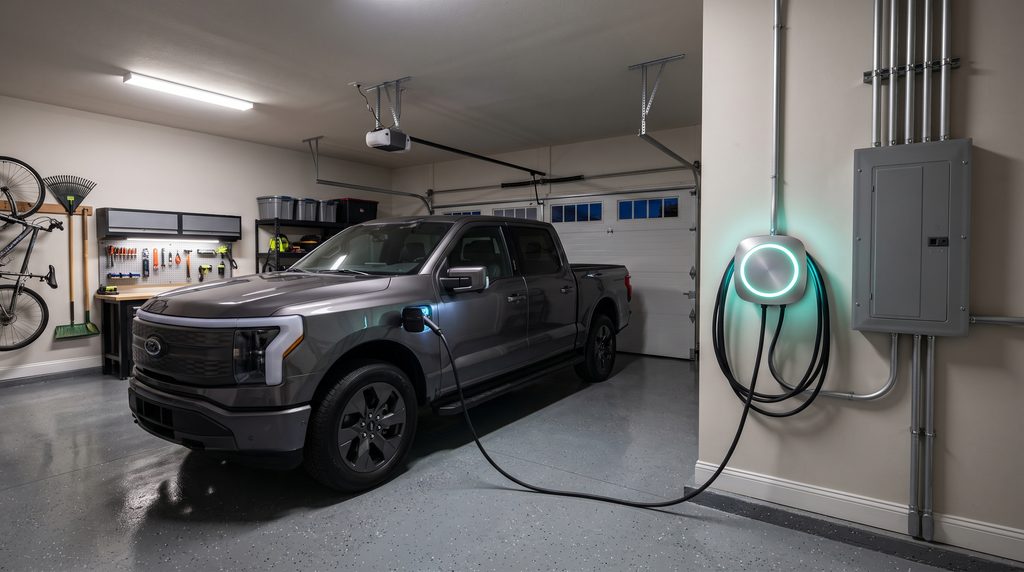
Parking a massive electric truck that needs a heavy-duty EV Charger in your driveway changes your daily home charging expectations completely.
Standard wall outlets and basic plug-in chargers simply cannot refill a massive 130 to 200 kilowatt-hour battery overnight.
Installing a dedicated high-amperage hardwired charging station transforms that massive pack into dependable daily driving range.
Disclaimer: This post contains affiliate links. If you click through and make a purchase or submit a request for a quote, we may earn a small commission or referral fee at no extra cost to you.
Table of Contents
Choosing The Best Heavy-Duty EV Charger Keeps Your Electric Truck Ready Every Morning
Big battery packs demand substantial electrical throughput to replenish drained cells before your morning commute begins.
A standard 32-amp portable charger takes over twenty-four hours to fully charge an empty heavy truck.
Upgrading to a 48-amp or 80-amp hardwired station cuts those lengthy turnaround times down dramatically.
A dedicated 48-amp unit delivers 11.5 kilowatts of continuous power on a standard 60-amp residential circuit.
That reliable flow adds roughly thirty miles of driving range per hour to large electric vehicles.
Stepping up to an 80-amp setup pushes a massive 19.2 kilowatts of continuous power straight into compatible trucks.
This top-tier speed can pump over fifty miles of range into your pack every single hour.
That extra speed ensures you wake up with a full battery even after arriving home late.
Families towing heavy travel trailers appreciate that rapid turnaround because towing burns through kilowatt-hours twice as fast.
Matching Your Truck Hardware To 48A And 80A Home Charging Speeds
Not every electric pickup or full-size SUV can actually absorb eighty amps of alternating current.
Vehicles like the Rivian R1T and Tesla Cybertruck feature dual onboard chargers capped at forty-eight continuous amps.
Plugging an 80-amp charger into these vehicles still caps their AC intake at 11.5 kilowatts.
Conversely, extended-range Ford F-150 Lightning models and select Chevrolet Silverado EV trims accept eighty amps directly.
Those dual onboard chargers pull nineteen kilowatts effortlessly, shaving four to six hours off a full charging cycle.
Before purchasing high-end hardware, inspect your owner manual to verify your onboard alternating-current acceptance limits.
Investing in an 80-amp unit makes wonderful sense if your personal truck supports that maximum flow.
However, buying a top-tier 48-amp charger often delivers the sweet spot of speed, panel safety, and equipment savings.
Understanding Home Electrical Panel Limits And Continuous Amperage De-Rating
Delivering massive charging power inside a residential garage requires respecting strict electrical safety codes.
Under the National Electrical Code, continuous EV charging loads require a twenty percent safety buffer.
This continuous load rule means a 48-amp charger requires a dedicated 60-amp double-pole circuit breaker.
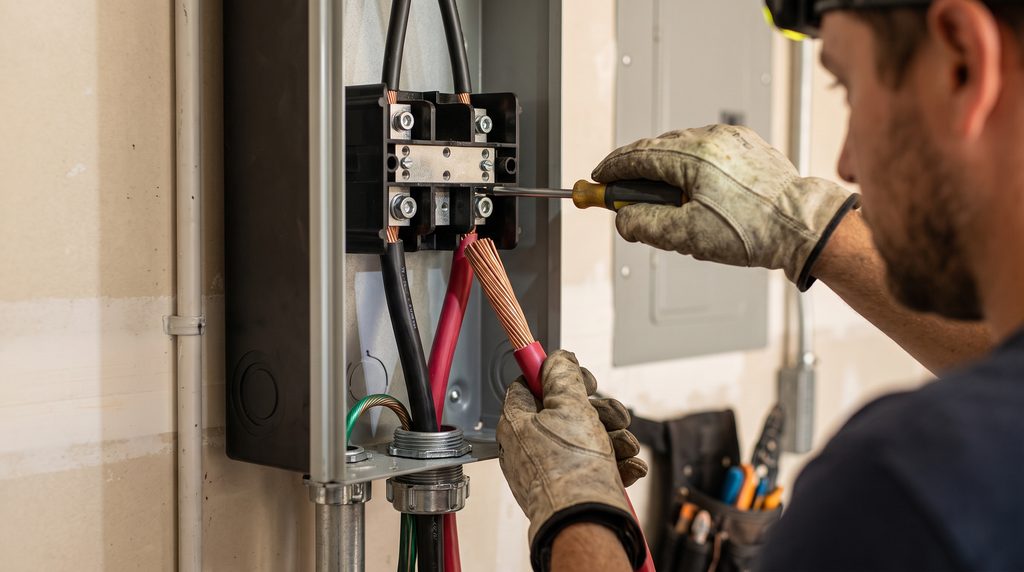
An ultra-powerful 80-amp charging station demands a dedicated 100-amp circuit breaker paired with thick three-gauge copper wire.
Most modern suburban homes feature a main electrical service panel rated for two hundred total amps.
Dedication of one hundred amps exclusively to vehicle charging leaves limited headroom for your central air conditioner.
If your home panel lacks adequate capacity, a licensed electrician can install a dynamic smart energy monitor.
Smart load managers automatically throttle charging speeds whenever your electric oven or clothes dryer cycles on.
That clever throttling protects your household breakers from tripping without requiring an expensive utility service upgrade.
Top Consumer Heavy-Duty EV Chargers Reviewed And Compared
The Ford Charge Station Pro retails for $1,310 and provides full 80-amp bidirectional capability.
This rugged unit comes equipped with a CCS1 connector designed specifically for high-amperage alternating-current delivery.
When paired with home integration hardware, it can even power your essential household circuits during utility blackouts.
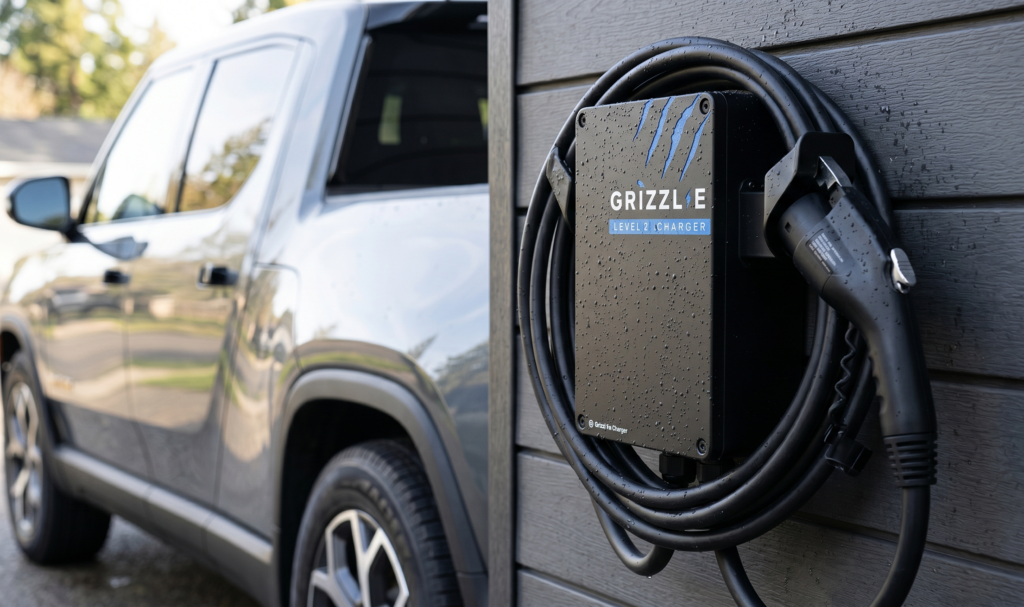
The Grizzl-E Ultimate 80A charger sells for $999 and delivers exceptional heavy-duty metal build quality.
Built inside a cast-aluminum NEMA 4X weather-sealed housing, it shrugs off freezing blizzards and extreme garage moisture.
Its heavy twenty-five-foot rubber cable remains completely flexible even when garage temperatures drop well below zero.
For drivers seeking maximum versatility, the Tesla Universal Wall Connector retails for $707.
This sleek 48-amp unit features an integrated adapter that effortlessly switches between native NACS and J1772 connectors.
Its dual-plug design lets you charge a Ford, Rivian, or Cybertruck without fumbling for loose adapters.
Renter Friendly Solutions And Portable Solar Backup Strategies
Living in a rental property or apartment should never prevent you from enjoying an electric pickup truck.
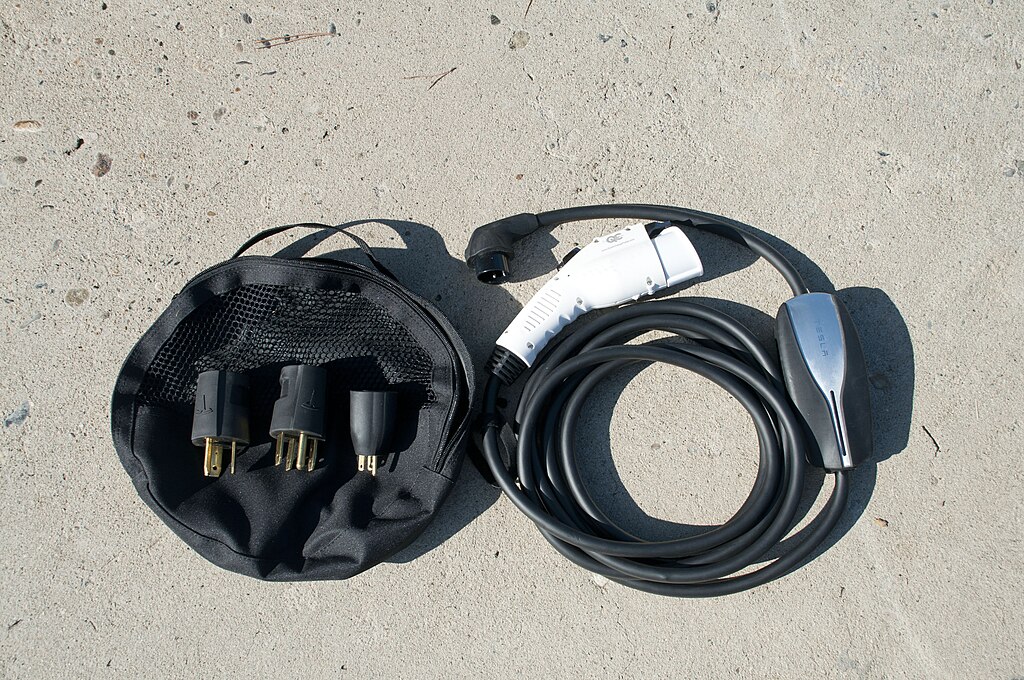
Tenants who cannot hardwire a 100-amp circuit can request permission to use an existing 240-volt clothes dryer outlet.
Plugging an adjustable 24-amp or 32-amp portable charger into a NEMA 14-30 or 14-50 outlet provides respectable speeds.
While slower than an 80-amp hardwired station, twenty-four amps still restores over one-hundred miles of range overnight.
Renters can also pair portable folding solar panels with a consumer solar generator to harvest independent campsite power.
Deploying a 400-watt folding TOPCon solar blanket on your lawn or balcony captures free energy during sunny weekends.
That clean energy can feed a portable power station like an EcoFlow Delta Pro or Bluetti AC300.
Connecting your truck to that power station using a $15 neutral-ground bonding plug provides essential emergency top-ups.
This flexible setup delivers reliable off-grid preparedness without making permanent changes to your landlord property.
⚡ Buyer’s Toolkit & Deal Alert:
Ready to charge your electric truck at maximum speed? Compare current manufacturer discounts on top-rated 48A and
80A home chargers, or submit your zip code to get matched with certified local residential electricians for free,
zero-obligation installation quotes today.
Hardwired Connections Versus NEMA 14-50 Outlets For Large Trucks
Many new truck owners wonder whether they can simply install a standard 240-volt wall outlet instead of hardwiring.
Plug-in chargers using a NEMA 14-50 receptacle are legally limited to forty amps of continuous output.
Pushing forty amps through a residential wall outlet for eight continuous hours generates substantial ambient heat.
Budget-grade builder receptacles often degrade or melt under that relentless, multi-hour electrical demand.
Hardwiring eliminates plug contact points entirely by running heavy copper wire straight into the charging station terminals.
This permanent physical connection eliminates thermal hot spots and significantly reduces residential fire risks.
Hardwiring also unlocks speeds above forty amps, allowing your vehicle to draw forty-eight or eighty full amps safely.
If you insist on an outlet, always instruct your electrician to install a commercial-grade industrial receptacle.
However, hardwiring remains the safest, fastest, and most durable connection method for large-battery electric trucks.
Solar Integration And Time Of Use Utility Bill Savings
Refilling a large battery pack from the electrical grid can noticeably bump your monthly utility bill.
Adopting a few smart charging habits keeps those energy costs lower than a single tank of gasoline.
Most electric utility providers offer optional Time-of-Use rate plans with deeply discounted electricity during overnight hours.
Programming your charger to operate strictly between midnight and six in the morning cuts charging costs in half.
Homeowners with rooftop solar panels can take those household savings even further by charging directly from sunshine.
Smart chargers from brands like Emporia integrate seamlessly with home solar arrays to soak up excess daytime generation.
Every kilowatt-hour harvested directly from your roof represents completely free fuel for your daily commute.
Over a typical year of driving, self-consuming home solar power saves truck owners between $1,200 and $2,400.
Those compounding utility savings quickly offset the upfront cost of your charging station and electrical installation.
Conclusion
Investing in the right heavy-duty EV charger ensures your electric truck remains an absolute joy to live with every day.
By selecting the proper continuous amperage, hardwiring your connection, and leveraging off-peak energy rates, you secure maximum convenience and safety.