Time-of-use EV charging allows smart drivers to slash their monthly vehicle fueling costs by charging exclusively during super-off-peak utility hours.
Plugging in your car immediately after work often means paying the most expensive electricity rates of the entire day.
Learning how to automate your charging window lets you fuel your daily commute for literal pennies while you sleep soundly.
Disclaimer: This post may contain affiliate links. If you click through any of the links in the article and make a purchase or submit a request for an installer quote, we may earn a small commission or referral fee at no extra cost to you.
Table of Contents
Time-Of-Use EV Charging Essentials For Budget-Conscious Commuters
Mastering time-of-use EV charging represents the single easiest way to cut your driving expenses without changing how much you travel.
Most electric power utility companies charge variable rates based on overall grid demand throughout the day.
During peak evening hours between 4:00 PM and 9:00 PM, electricity can cost as much as $0.45 or more per kilowatt-hour.
Plugging your vehicle in right when you arrive home pulls heavy wattage during these exact expensive rate windows.
However, utility demand crashes late at night when businesses close and most of your neighborhood goes to sleep.
To balance power plants, utilities lower their overnight rates to a bargain tier known as super-off-peak pricing.
During these early morning hours, electricity rates often drop to between $0.08 and $0.12 per kilowatt-hour.
Switching your charging routine into that overnight window immediately reduces your annual charging bill by up to 70%.
For a commuter driving 12,000 miles per year, that simple shift saves between $600 and $1,000 every single year.
Modern time-of-use EV charging requires zero late-night trips out to a cold, dark garage to plug in a cord manually.
Automated scheduling features let you plug your vehicle in the moment you park while delaying all power flow automatically.
💡 Buyer’s Toolkit:
When configuring your off-peak charging schedule, always set your start time at least 15 minutes after your utility’s off-peak
window officially begins. Power companies bill based on 15-minute interval meter reads, and a slight clock mismatch
between your charger and your utility smart meter can accidentally trigger peak-rate billing.
In-Car Timers Versus Smart Level 2 Chargers: Choosing Your Setup
Setting up reliable time-of-use EV charging can be handled through your car’s dashboard software or a dedicated smart wall station.
Most modern electric vehicles from brands like Tesla, Hyundai, Ford, and Chevrolet feature built-in charging timer menus.
You simply enter your regional off-peak hours into the vehicle touchscreen, and the car refuses power until that scheduled time arrives.
While in-car timers work well for basic routines, they lack live tracking of changing utility rate plans and seasonal tier shifts.
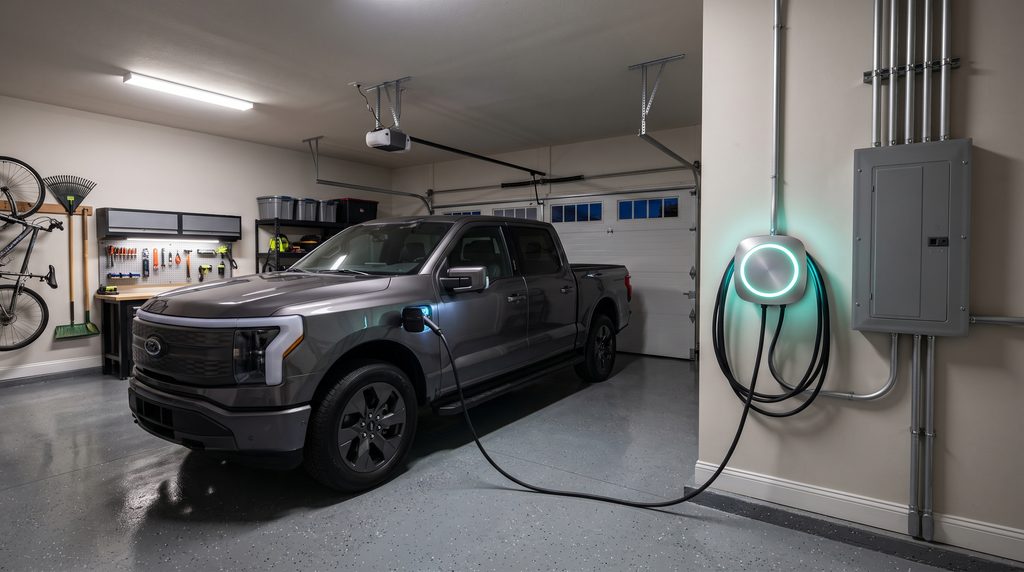
Investing in a dedicated smart Level 2 home charger, like the Emporia EV Charger or Wallbox Pulsar Plus, delivers far greater control.
These intelligent chargers retail between $399 and $599 and connect directly to your home Wi-Fi network.
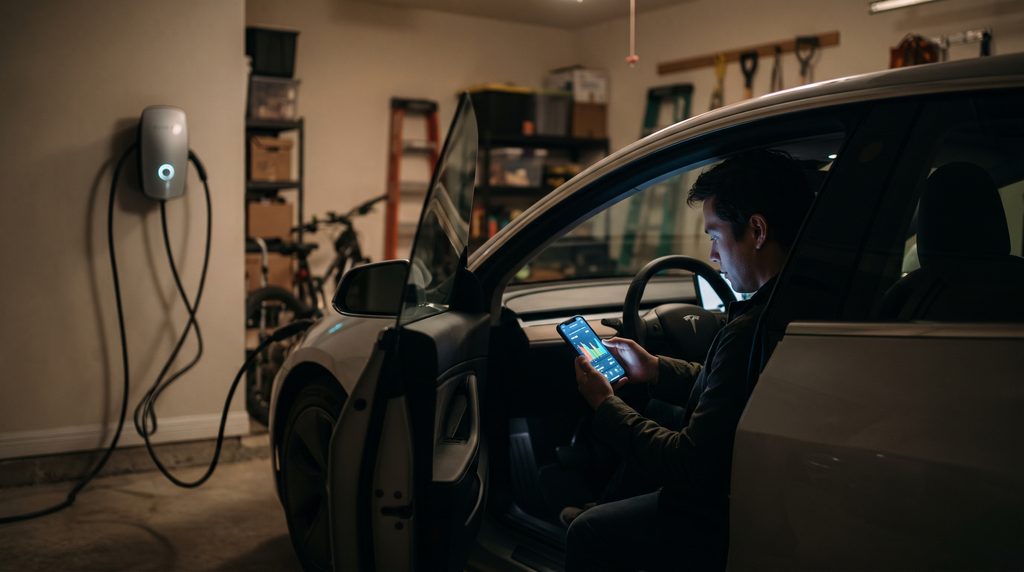
Their companion mobile smartphone apps allow you to select your exact electric utility provider and specific pricing plan from a menu.
The smart charger then tracks rate fluctuations automatically, guaranteeing your car draws power only during the cheapest periods.
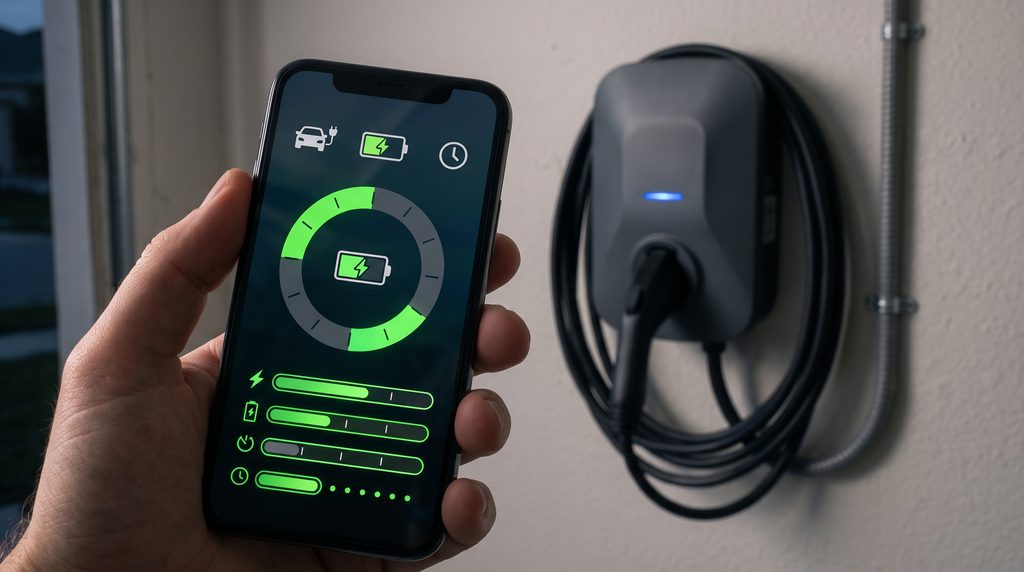
Smart stations also measure precise kilowatt-hours consumed per session, showing you the exact dollar cost of every single charge.
That detailed data helps budget-conscious households separate vehicle operating costs from general household electric use with complete transparency.
Furthermore, these smart stations integrate seamlessly with residential smart home energy monitors to prevent panel overloads.
If your home’s central heat pump or water heater runs overnight, the smart charger can modulate its speed to maintain panel safety.
Pairing dynamic charging hardware with scheduled off-peak pricing delivers unmatched reliability and optimal charging speeds at the lowest possible cost.
⚡ Deal & Installer Alert:
Ready to automate your charging schedule and lock in super-off-peak electric rates every night? Check verified manufacturer
discounts on top-rated Wi-Fi smart chargers starting at $399, or submit your zip code to get matched with certified
local residential electricians for a hassle-free home installation quote.
Pairing Off-Peak Rates With Solar Storage And Battery Preservation
Expanding your time-of-use EV charging strategy can also involve syncing with residential rooftop solar panels or portable backup power.
If your utility company uses unfavorable net-metering rates, feeding daytime solar energy back to the grid yields very little credit.
Directing excess daytime solar generation directly into your car battery using smart solar-divert software essentially provides 100% free fuel.
For apartment renters or homeowners without rooftop solar arrays, portable power stations offer a clever alternative method for rate arbitrage.
High-capacity portable power stations from brands like EcoFlow, Bluetti, and Anker can be programmed to recharge during super-off-peak hours.
You can then draw from that stored, low-cost battery power during high-rate peak daytime hours to run essential household appliances.
While portable solar generators are primarily designed for outdoor camping and emergency resilience, their versatility saves real money at home.
Beyond immediate utility bill savings, scheduled charging also supports the long-term chemical health of your vehicle’s high-voltage traction battery.
Drawing electricity during cool nighttime hours reduces thermal stress on battery cells compared to charging in hot late-afternoon garages.
Setting your regular daily charging target to 80% capacity keeps lithium cells within their optimal stress-free operating range.
Combining scheduled overnight charging with healthy battery habits ensures your car delivers dependable range and performance for hundreds of thousands of miles.
Taking proactive charge of your daily energy consumption proves that driving electric is vastly cheaper and smarter than relying on gasoline.
Conclusion
Mastering time-of-use EV charging delivers the ultimate combination of home convenience, long-term driving savings, and battery health protection.
Always verify your regional power company’s exact seasonal rate schedule to ensure your automated charging timers remain perfectly synced.
Pairing your charging hardware with residential solar panels or portable power stations maximizes your total clean energy utility savings.
Setting your daily charging limit between 20% and 80% protects high-voltage battery life and keeps manufacturer warranty protections fully intact.
Knowing that every morning you have a completely fueled vehicle charged at rock-bottom electric rates unlocks total driving freedom for your commute.