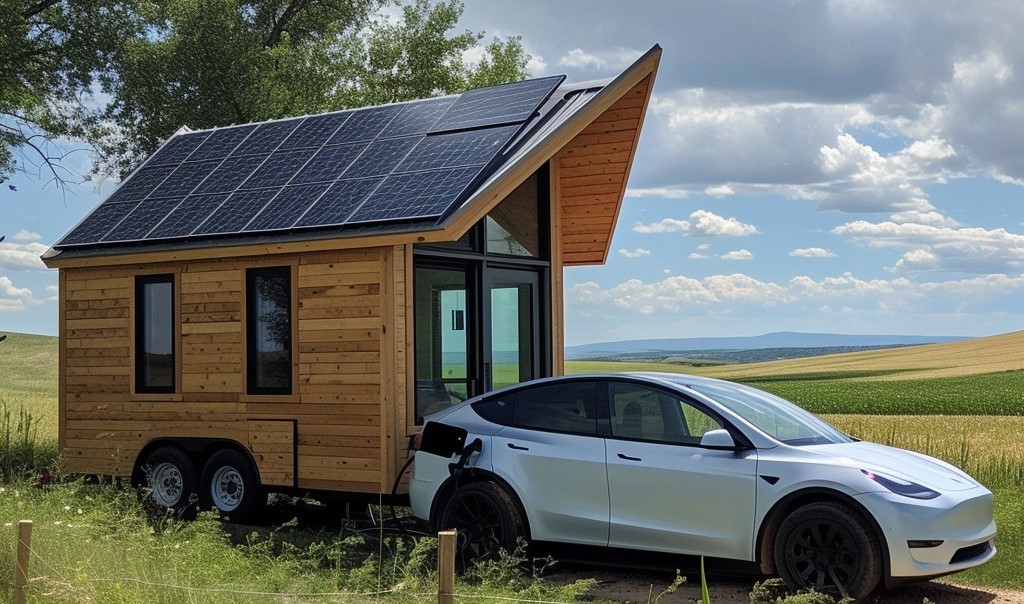
The EcoFlow Delta Pro Ultra delivers serious whole-home backup power and portable EV charging muscle in a modular stack.
Unlike smaller camping batteries, this split-phase 120V and 240V powerhouse runs heavy household appliances and adds emergency miles to your electric vehicle.
However, the source draft you uploaded actually mixes up the specs of the older 3.6kWh Delta Pro with the flagship Ultra model.
Let us set the record straight with verified manufacturer specifications so you can decide if this modular battery system fits your home or off-grid setup.
Disclosure: Some links in our guides may earn a small referral commission, at no extra cost to you, supporting our independent spec research.
Table of Contents
EcoFlow Delta Pro Ultra Specs And Real World Power
The EcoFlow Delta Pro Ultra starts with a 6,144Wh Lithium Iron Phosphate (LFP) battery and outputs 7,200W of continuous 120V/240V AC power.
That massive jump over the older 3,600Wh Delta Pro means you can run a central air conditioner, a well pump, or a Level 2 EV charger without tripping an overload.
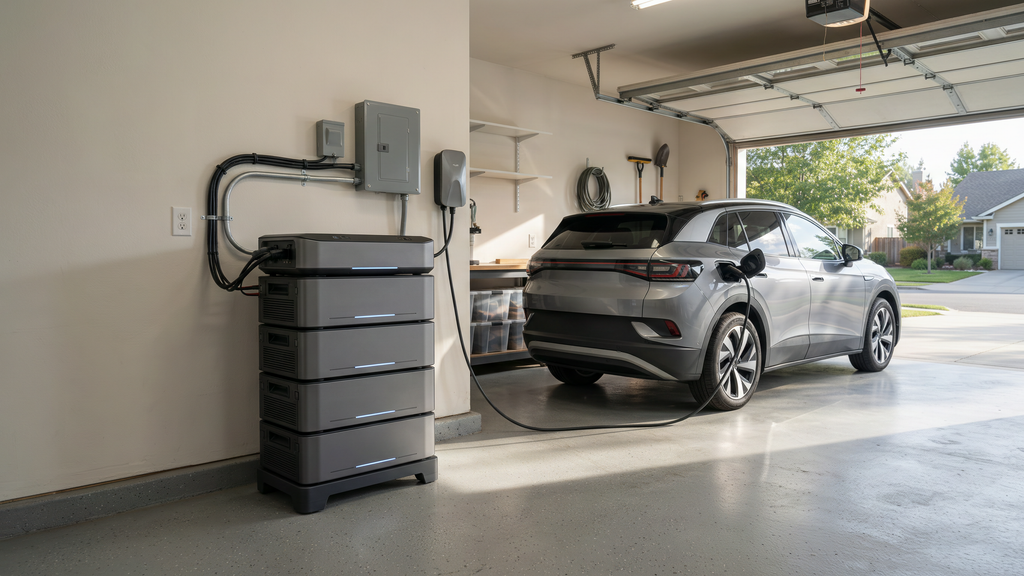
Because EcoFlow separates the 70.8-pound inverter head unit from each 111.3-pound battery pack, you can stack up to five batteries on a single rolling trolley for 30.72kWh of storage.
Even better, homeowners who pair three inverters with the Smart Home Panel 2 unlock 21.6kW of output and 90kWh of total capacity.
Comparing EcoFlow Delta Pro models side by side
| Model / Setup Option | Key Spec (Amps / Wh / kW) | Best Use Case | Estimated Retail Price |
| EcoFlow Delta Pro (Original) | 3,600Wh LFP / 3,600W (120V only) | Apartment backup, camping, Level 1 EV trickle | $2,299 |
| EcoFlow Delta Pro Ultra (1 Battery) | 6,144Wh LFP / 7,200W (120V/240V) | Whole-home essentials, 240V appliances, EV charging | $4,999 |
| EcoFlow Delta Pro Ultra (2 Batteries) | 12,288Wh LFP / 7,200W (120V/240V) | Multi-day storm outages and heavy solar storage | $6,999 |
Core hardware highlights at a glance
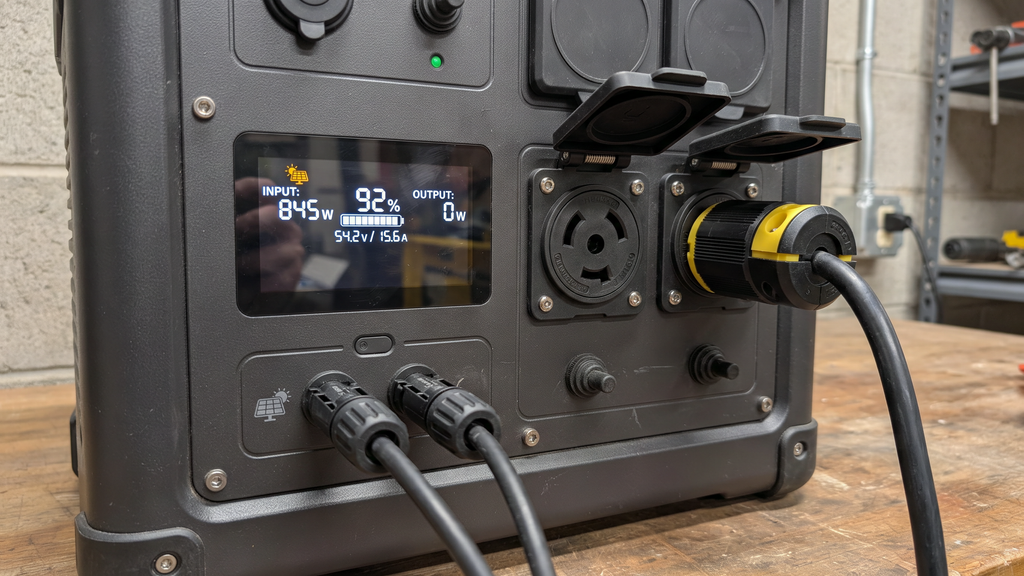
- Split-Phase 240V Output: One inverter delivers 7,200W continuous power and 10.8kW surge power across standard 120V outlets and a 240V 30A receptacle.
- Dual-Voltage Solar Input: You can connect up to 5,600W of solar panels using both the high-voltage 4,000W MC4 port (80–450V) and the low-voltage 1,600W port (30–150V).
- 3,500-Cycle LFP Longevity: The internal Lithium Iron Phosphate cells retain over 80% capacity after 3,500 full charge cycles, translating to roughly 10 years of daily use.
- Zero-Millisecond Online UPS: Sensitive home office computers and medical equipment stay running without a flicker when grid power drops out.
Understanding how this modular hardware handles heavy electrical loads helps you avoid expensive sizing mistakes before placing an order.
When you roll the EcoFlow Delta Pro Ultra into your garage, the stackable trolley design keeps your floor footprint remarkably compact.
Each module locks securely onto the unit below it, letting two people move a 182-pound single-battery stack across smooth concrete.
Furthermore, the IP54 weather-resistant enclosure shields internal electronics from garage dust and light rain splashes when protective port covers stay closed.
During everyday operation below 2,000W, EcoFlow’s X-Cooling fans remain virtually silent at under 30 decibels.
Once heavier loads kick in, smart thermal management ramps up airflow to prevent overheating in warm garages up to 113°F.
You also gain peace of mind knowing the system meets strict residential electrical standards outlined in NEC Article 706 for Energy Storage Systems.
Renters and homeowners alike can use the front 30A outlets immediately without hardwiring, while homeowners can hire an electrician for whole-panel integration.
Solar Input And Charging Speeds Explained
The EcoFlow Delta Pro Ultra recharges at up to 8,800W when you combine rooftop solar arrays with a 240V AC outlet or generator.
That blazing input rate refills a dual-battery 12.2kWh stack from empty to full in roughly two hours.
Even if you rely strictly on sunlight, the dual MPPT solar controllers accept up to 5,600W of panels to refill a 6.1kWh battery in under two hours of peak sun.
Because EcoFlow included both a 450V high-voltage input and a 150V low-voltage input, you can mix rigid rooftop panels with portable folding solar blankets.
If you live in an apartment or condo without roof access, you can still top up the battery using a standard 120V wall outlet or a public J1772 Level 2 EV charging station via EcoFlow’s EV X-Stream adapter.
That multi-source flexibility makes this system far more versatile than traditional wall-mounted batteries like the Tesla Powerwall.
Check out our guide to portable solar generators to see how smaller folding panel kits pair with modular battery systems.
Portable EV Charging And Whole Home Backup
Pairing the EcoFlow Delta Pro Ultra with an electric vehicle unlocks emergency roadside range and smart time-of-use utility savings.
Because the inverter outputs true split-phase 240V power at 30 amps (7,200W), you can plug a portable Level 2 EV charger directly into the NEMA L14-30R outlet.
Real-world EV range expectations
A single 6,144Wh battery pack delivers roughly 5.2kWh of usable energy after normal inverter conversion losses.
Depending on your vehicle’s efficiency, that single battery adds between 15 and 21 miles of emergency driving range in under an hour.
Stacking two or three batteries gives you enough stored solar energy to top off your daily commute overnight without paying peak grid rates.
Critical neutral-ground bonding safety
Before plugging any Ford, Rivian, Hyundai, or Tesla mobile connector into a portable power station, you must verify ground fault protection.
Many portable EV chargers refuse to start charging until they detect a proper bond between the neutral and ground wires.
Using a UL-listed neutral-ground bonding plug or connecting through EcoFlow’s Smart Home Panel 2 satisfies your EV charger’s built-in safety check.
EcoFlow App Control And Time Of Use Savings
The EcoFlow mobile app turns your smartphone into a circuit-level energy dashboard over Wi-Fi or Bluetooth.
You can monitor live solar input watts, check battery state of health, and set custom charge limits to extend LFP cell longevity.
When you connect the system to the EcoFlow Smart Home Panel 2, the software automatically tracks utility Time-of-Use (TOU) rate schedules.
As a result, your battery charges from cheap off-peak grid power or midday rooftop solar and powers your home during expensive evening peak hours.
Storm Guard mode even watches local weather alerts and automatically tops off your battery stack to 100% before severe storms arrive.
Pros And Cons Of The EcoFlow Delta Pro Ultra
Every heavy-duty power station involves trade-offs between raw watt-hour storage and physical portability.
Reviewing these strengths and limitations helps you decide whether a modular stack beats a lighter grab-and-go unit.
Key advantages for homeowners and EV drivers
- True 240V Split-Phase Power: Runs central air conditioners, electric dryers, well pumps, and Level 2 EV chargers from a single inverter.
- Massive Modular Scalability: Expands from 6.1kWh up to 30.7kWh per inverter without hiring an electrician to rewire your battery bank.
- Industry-Leading Solar Input: Accepts up to 5,600W of solar panels per inverter for rapid off-grid recharging.
- Whisper-Quiet Operation: Stays under 30dB during light household loads, making it safe for indoor utility closets and apartments.
Limitations to consider before buying
- Heavy Component Weight: Lifting the 111.3-pound battery modules onto the trolley requires two adults or a hand truck.
- High Initial Investment: Starting at roughly $4,999 for the inverter and one battery, the upfront cost exceeds smaller camping stations.
- No Built-In Wheels on Individual Packs: You must keep the units mounted on the included rolling trolley to move the stack around your garage.
Conclusion
The EcoFlow Delta Pro Ultra stands out as one of the most capable whole-home backup and solar storage systems available for everyday homeowners and EV drivers.
Before you order, measure your garage floor space and verify whether your heavy appliances require 120V or 240V circuits.
Pairing this 6.1kWh LFP battery stack with high-efficiency solar panels slashes peak utility bills while keeping your family powered through multi-day blackouts.
Better yet, the 3,500-cycle Lithium Iron Phosphate chemistry protects your investment for a decade of daily charging.
Whether you want storm security, off-grid solar independence, or emergency EV range in your garage, this modular powerhouse delivers reliable energy freedom.