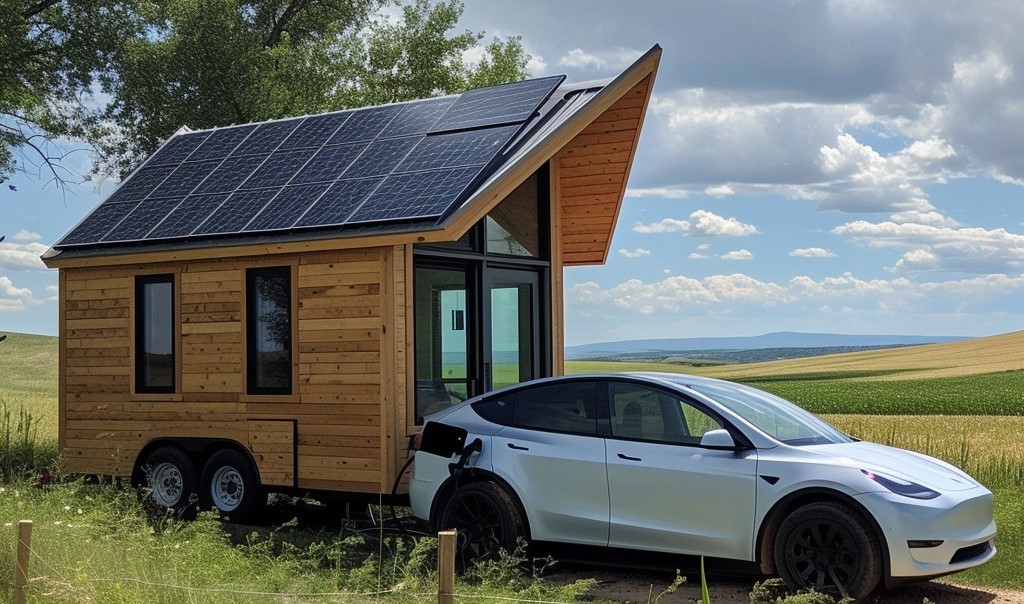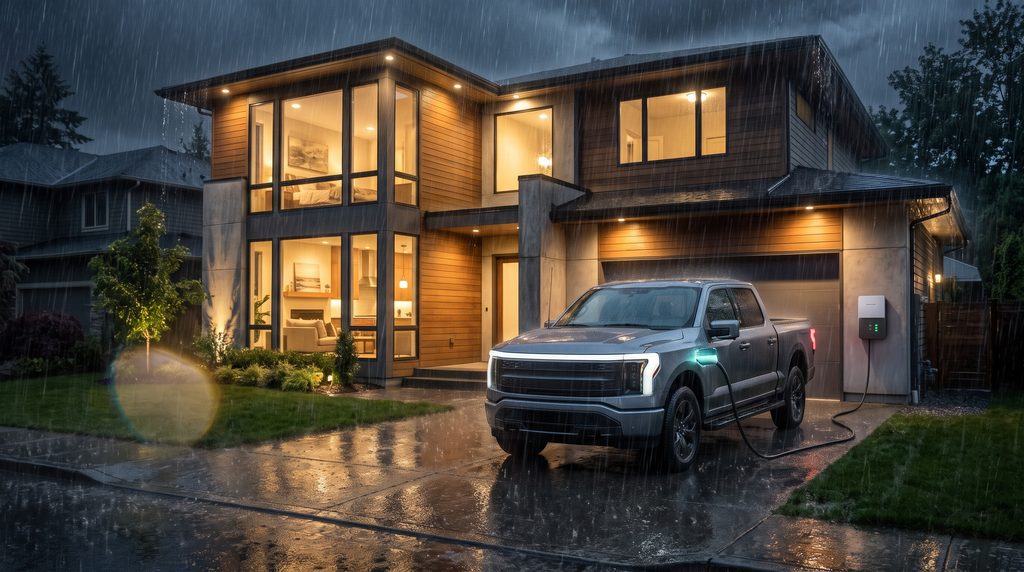
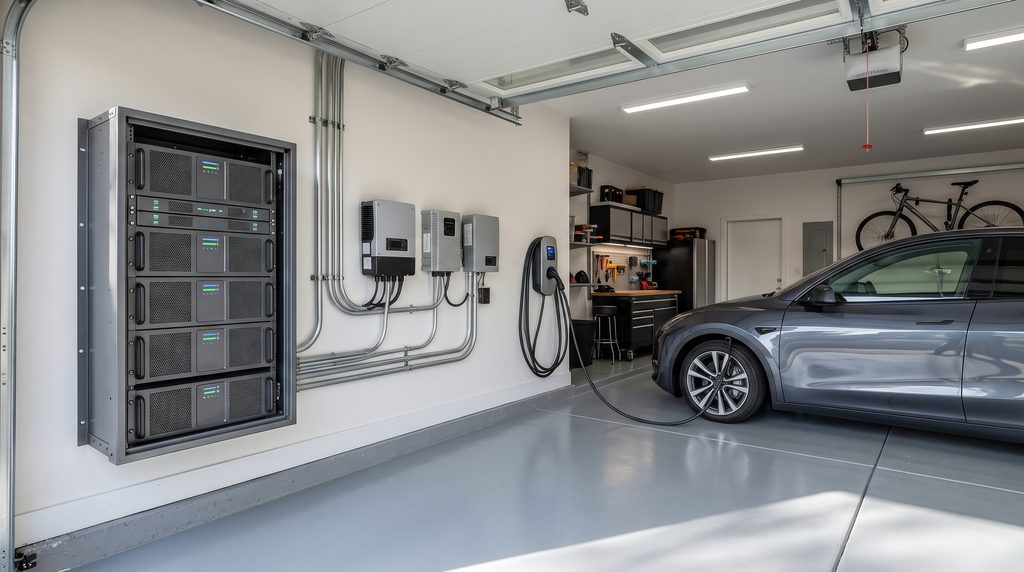
Second-life EV batteries give retired electric vehicle power packs a sustainable second career providing reliable residential energy storage for budget-conscious homeowners.
Worrying that millions of decommissioned automotive battery packs will end up poisoning local municipal landfills is a persistent and unfounded consumer myth.
Understanding how automotive packs transition into stationary residential storage proves that clean electric mobility supports a completely circular and eco-friendly lifecycle.
Disclaimer: This post may contain affiliate links. If you click through any of the links in the article and make a purchase or submit a request for an installer quote, we may earn a small commission or referral fee at no extra cost to you.
Table of Contents
Second-Life EV Batteries Essentials For Sustainable Residential Energy Storage
Adopting second-life EV batteries solves one of the biggest environmental questions surrounding long-term electric vehicle adoption and renewable power storage.
When an electric vehicle battery degrades down to roughly 70% or 80% of its original capacity, its highway driving range decreases noticeably.
While that reduced capacity no longer satisfies drivers needing rapid highway acceleration or 300-mile road trips, the battery is far from dead.
A pack retired from an electric car still retains dozens of kilowatt-hours of stable, highly usable electrical storage capacity.
Automotive demands subject batteries to extreme temperature shifts, intense vibration, and sudden high-amperage acceleration surges on the highway.
By contrast, stationary residential power storage demands gentle, predictable charge and discharge cycles in a climate-controlled garage or basement.
Taking these seasoned packs and repackaging them for home storage extends their practical working life by an additional 10 to 15 years.
Repurposed automotive batteries effortlessly absorb surplus rooftop solar power during sunny afternoons and discharge that clean electricity quietly throughout the evening.
This circular repurposing process dramatically lowers the upfront equipment costs of installing home backup batteries compared to buying brand-new stationary units.
Homeowners gain robust emergency protection against severe weather blackouts while keeping valuable energy assets out of the waste stream.
Choosing repurposed storage hardware transforms automotive battery retirement into a cornerstone of sustainable, decentralized home power management.
💡 Buyer’s Toolkit:
When shopping for repurposed battery storage banks, always verify that the manufacturer integrates an updated Battery
Management System with active cell balancing. A modern residential BMS constantly tracks individual cell voltages and thermal
sensors, preventing overcharging and ensuring your repurposed pack operates well within safe residential limits.
Repurposing Versus Hydrometallurgical Recycling: The True End-Of-Life Path
Understanding the full journey of second-life EV batteries requires looking at both stationary reuse and advanced closed-loop chemical recycling.
Not every retired battery pack is a suitable candidate for direct secondary home energy storage applications.
Packs that experience physical collision damage or severe cell degradation are routed directly to specialized high-efficiency recycling facilities instead.
Pioneering recycling facilities like Redwood Materials and Li-Cycle do not crush batteries into scrap or dump them into landfills.
Instead, they use advanced closed-loop hydrometallurgical processing that safely recovers over 95% of critical raw materials including lithium, cobalt, and nickel.
These recovered ultra-pure battery-grade metals are fed straight back into domestic battery cell manufacturing plants to build fresh automotive packs.
Meanwhile, undamaged packs that pass rigorous automated health diagnostics are disassembled into modular battery bricks for home energy storage.
Advanced chemistries like Lithium Iron Phosphate are particularly prized for secondary storage due to their outstanding thermal stability and long cycle life.
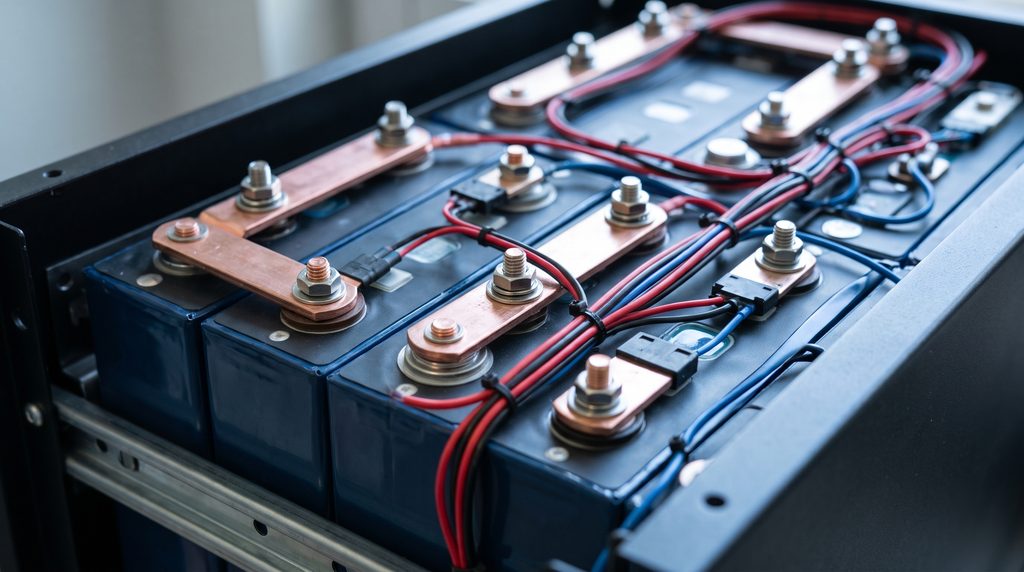
LFP cells easily withstand over 3,000 to 5,000 gentle cycles, making them virtually indestructible when used as stationary home solar buffers.
Traditional Nickel Manganese Cobalt packs also provide excellent energy density for compact residential backup footprints when properly monitored.
Federal regulations and manufacturer warranty mandates also hold automakers strictly accountable for end-of-life battery pack collection and processing.
Major vehicle brands now maintain dedicated battery recovery pipelines to capture valuable mineral assets rather than letting them go to waste.
Knowing your electric car battery enjoys a productive secondary life eliminates environmental guilt and reinforces the long-term sustainability of driving electric.
⚡ Deal & Installer Alert:
Ready to pair your home solar setup with clean, affordable battery storage or explore manufacturer battery trade-in
incentives? Check verified pricing on certified home energy storage systems starting at $2,499, or submit your zip
code to get free, zero-obligation quotes from licensed residential backup power specialists today.
Integrating Repurposed Storage With Solar Panels And Emergency Gear
Pairing second-life EV batteries with residential rooftop solar arrays creates the ultimate self-sustaining clean energy haven for your home.
During bright midday hours, rooftop solar panels often produce substantially more electricity than standard household lights and appliances consume.
Instead of exporting that precious clean electricity back to the utility grid for meager credits, your stationary battery absorbs the excess.
When utility rates spike during high-demand evening hours, your home draws seamlessly from your stored solar reserves without touching grid power.
Suburban homeowners and apartment renters who cannot mount massive permanent stationary storage can apply these identical principles with portable equipment.
Leading portable power station brands like EcoFlow, Bluetti, and Anker offer certified manufacturer refurbished units and battery trade-in programs.
These compact, portable lithium iron phosphate units recharge efficiently using folding solar blankets set up on balconies, patios, or driveways.
While a portable power station cannot run an entire multi-story house indefinitely, it reliably keeps refrigerators, internet routers, and medical devices powered during storms.
Carrying portable solar gear also provides vital emergency buffer range for your electric vehicle when traveling through remote backcountry campsites.
Smart energy management across both full-size home batteries and portable units unlocks true energy independence without relying on dirty fossil-fuel generators.
Proactively embracing circular clean power solutions protects your household budget while building an eco-friendly driving lifestyle that stands the test of time.
Conclusion
Embracing second-life EV batteries delivers the ultimate combination of home energy resilience, cost savings, and genuine environmental stewardship.
Always work with certified residential electricians and reputable storage suppliers who provide documented cell health tests and warranty coverage.
Pairing repurposed home battery banks with rooftop solar panels maximizes your monthly utility savings while guaranteeing reliable emergency blackout protection.
Practicing gentle daily charging habits between 20% and 80% protects automotive battery longevity and preserves exceptional value for secondary use.
Investing in circular clean energy systems ensures your electric mobility choices leave a lasting, positive impact on the planet.